




Blog / Paynesville Chevrolet Service

Blog

All Paynesville Chevrolet Service Paynesville Chevrolet Dealer Paynesville Chevy Truck Dealership Chevrolet Tips Chevy Colorado Chevrolet Silverado 1500 Chevy Equinox Paynesville Chevrolet EV Dealer Chevrolet Suburban Chevrolet Tahoe Chevrolet Trailblazer Chevrolet Trax Chevy Blazer EV Chevy Traverse Paynesville Buick Dealer 2026 Chevrolet Traverse Automotive Maintenance Chevrolet Care Chevrolet Service Chevrolet Trucks Chevrolet Vehicles Chevy Equinox EV Chevy Malibu Chevy SUV in Minnesota OEM Accessories Paynesville Used trucks Seasonal Vehicle Care SUVs & Crossovers Truck Accessories Vehicle Maintenance Vehicle Service Vehicle Upgrades
Winter Driving Paynesville, MN

Chevrolet Winter Maintenance Tips for Paynesville, MN Drivers

Winter in Paynesville, MN, can mean frigid temperatures, but with proper Chevrolet winter maintenance from Paynesville Chevrolet, your Chevy is primed to conquer this winter. From optimizing your tires to inspecting your battery, these services help keep you secure and commanding on the road throughout the season. Why Winter Maintenance for Your Chevrolet is Critical When the temperature plummets, your Chevrolet faces obstacles that can impact its performance and safety. Icy roads, snow buildup, and more, it can be hard on various components of your vehicle. Services like verifying battery health, confirming fluids are winter-ready, and inspecting tires remain vital to sustaining peak performance. more Key Chevrolet Winter Maintenance Services Tire Inspection and Replacement Winter roads in Paynesville, MN, and elsewhere need traction, making tire care a supreme priority. Check the tread depth and pressure of your tires with obsessive regularity. If your Chevrolet lacks winter tires, the time to switch is right now. Winter tires deliver superior grip and handling, specially engineered to conquer icy or snowy roads. Battery Health Check Cold weather can drain your battery. During your Chevrolet winter maintenance, have your battery tested to verify it handles freezing temperatures with ease. If the battery isn’t holding a charge as it should, replacing it now is a great choice. Fluid Levels Fluids like oil, brake fluid, and windshield washer fluid are important for your vehicle during winter. Brake System Inspection Slippery roads require flawless braking performance. Have your Chevrolet brake pads, rotors, and fluid inspected as a part of your winter maintenance routine. Well-maintained brakes are critical for executing stops on icy roads. Additional Tips for Winterizing Your Chevrolet Do not ignore smaller but equally critical details during Chevrolet winter maintenance. Ensure your wiper blades remain in pristine condition to sweep away snow and ice. Keep an emergency kit in your vehicle, including items like a blanket, flashlight, and jumper cables. Expert Chevrolet Winter Maintenance in Paynesville, MN At Paynesville Chevrolet, we want to keep you prepared for winter driving in Minnesota. Our certified service team stands ready to help you prepare your vehicle for the cold season with expert Chevrolet winter maintenance services. From tire installations to complete winter inspections, we have you covered. By focusing on key areas like tires, battery, fluids, and brakes, you protect your vehicle and enjoy peace of mind all season long. Schedule your Chevrolet winter maintenance today at Paynesville Chevrolet and stay ahead of the snow and ice.


Headlight Service in Paynesville, MN

Expert Chevy Headlight Service in Paynesville, MN

Varying weather conditions in Paynesville, MN make it essential to ensure that the headlights are working properly on your Chevy. Dim headlights and other signs can impact the safety of your drive. You need optimal performance. Maintenance goes beyond swapping a failed headlight. It involves precise alignment. It requires checking every electrical pulse. more Signs You Need Chevy Headlight Replacement Regular service prolongs the longevity of your car’s headlights. Sometimes a headlight replacement for your vehicle is the only option. Watch for these top signs: Dimming or Flickering Lights Yellowed or Cloudy Lenses Uneven Illumination Frequent Bulb Burnouts Paynesville Chevrolet technicians can inspect the headlight of your Chevrolet thoroughly. We can then decide if repair or replacement can be the best route for your vehicle. Benefits of Professional Chevy Headlight Service Professional Chevy headlight service delivers results: Precision Alignment: Technicians use specialized gear to align beams. High-Quality Parts: Paynesville Chevrolet uses OEM-approved components because you demand reliability. Thorough Inspection: We check wiring and systems far beyond the bulb. Restored Appearance: The headlights on your vehicle can look immaculate like when you drove off the lot. The Replacement Process If repair fails, replacement is the way to go. Inspection and Diagnosis: Technicians evaluate the damage. OEM Parts Installation: Genuine Chevy parts guarantee perfect fit and performance. Expert Installation: New units are locked in with laser focus. Alignment adjustments follow. Final Testing: We prove perfection before you leave the dealership. Book Your Service Now for a Headlight Service in Paynesville, MN Paynesville Chevrolet keeps your vehicle at peak performance. You might need routine Chevy headlight service. You might need full Chevy headlight replacement. Our skilled technicians in Paynesville, MN stand ready to serve. Do not accept dim lights. Do not accept compromise. Visit us today or book an appointment online at Paynesville Chevrolet. Ensure your Chevy stays road-ready. Consistent service is the key to confidence. Weather changes fast. Wear happens. Trust Paynesville Chevrolet in Paynesville, MN for expert care. We provide inspections. We provide full replacements. Schedule your headlight appointment today and have peace of mind.

Tire Alignment

7 Signs Your Chevy Needs a Tire Alignment

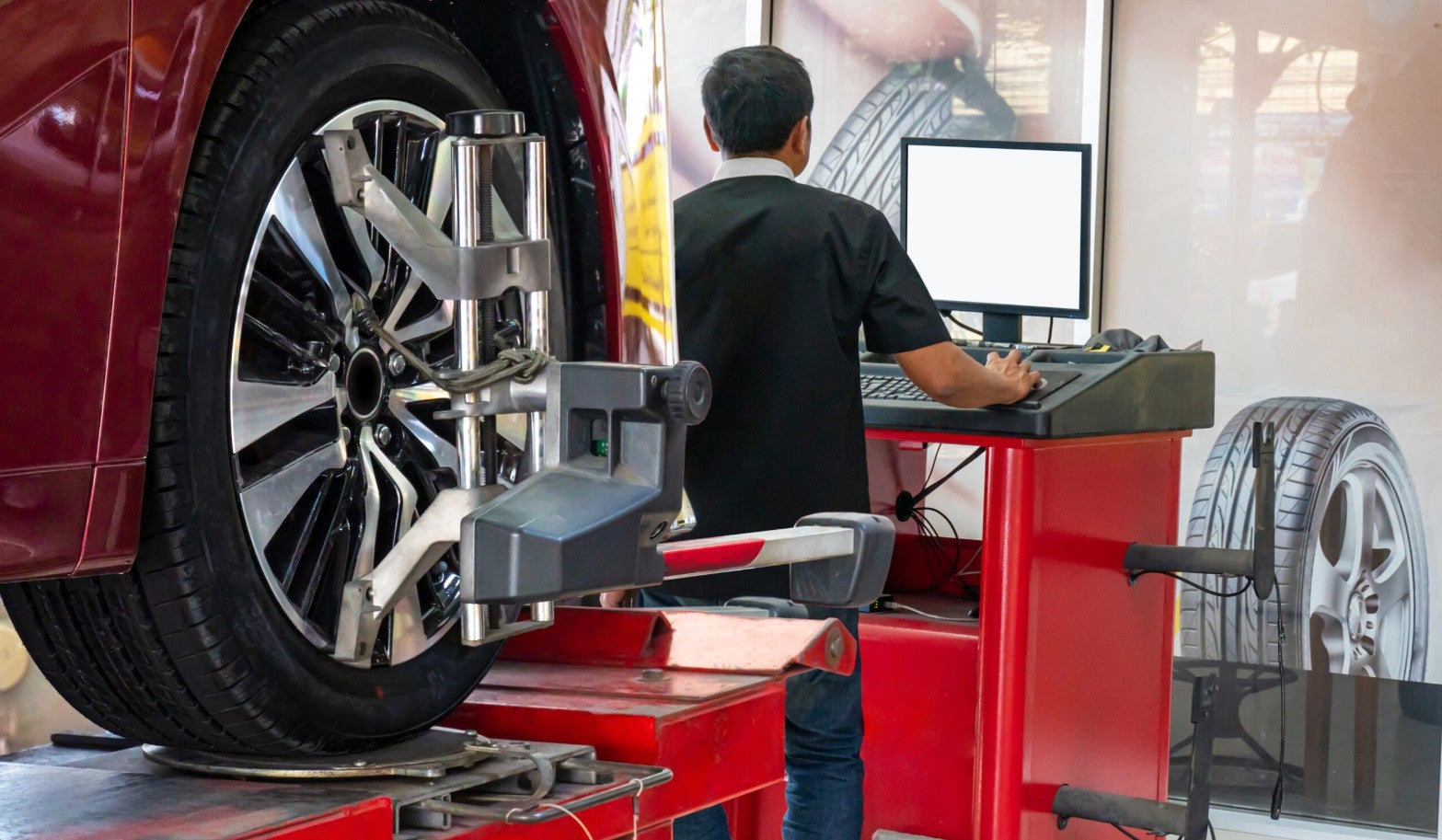
If your car becomes harder to handle or starts drifting to one side, the wheels may be misaligned. This can rapidly lessen your safety, roughen your ride, and also damage the tires. Fortunately, when wheels become shifted out of proper alignment, they don't take long to fix. The key is to notice the problem early and request a tire alignment at your local Chevy dealership. more 7 Signs Your Chevy Needs a Tire Alignment Visibly Misaligned Tires You'll be able to see when tires are significantly misaligned. By standing in front of the car, you can observe the camber angle: camber misalignment will cause the top or bottom of a wheel to protrude slightly. If you look directly down at a wheel from above, you can see the toe angle. The caster angle is harder to detect with an untrained eye and will require specialist machinery to measure. Pulling to One Side If any of your wheels are pointed outward or inward, toward the left or right, the car might try to drift in that direction. This makes it harder to steer and could even cause a collision unless promptly repaired. Less Accurate Steering With crooked wheels along any of the three angles, you'll find your steering become less precise. If the steering wheel feels looser in your hands and you lose confidence in the accuracy of your steering, have your car's alignment checked and corrected. Crooked Steering Wheel In extreme cases, misalignment may push the steering wheel off-center. This will force you to hold it slightly to the left or right merely to maintain a straight course, a clearly unsustainable situation. Squealing When You Corner When wheels misalign, they push the tires against the tarmac at awkward angles that the tires are not designed to endure. This often leads to squealing from crooked tires struggling as the car corners. Decreased Fuel Efficiency Without perfectly straight wheels and tires, excess friction is generated against the road. This forces the engine to exert more power for each mile you travel. As a result, your gas mileage will fall. Rougher, Noisier Driving If your car seems to vibrate more than usual, check your wheels. Misalignment will also gradually increase road noise, making your car less pleasant to drive overall. Measure Alignment Twice a Year at Your Chevy Dealership Tires typically require realignment every year or two. It's important to measure them periodically; every six months works well for most drivers. Measurement and correction of alignment is carried out by attaching specialist machines to each wheel and using computerized readouts to adjust the suspension until each wheel is back to its original factory positioning. Have your alignment checked today at Paynesville Chevrolet in Paynesville, MN. We provide top-notch cars, upkeep services, and repairs, whatever automotive needs you might have.

car battery installed

5 Signs Your Chevy’s Battery Needs Replacement

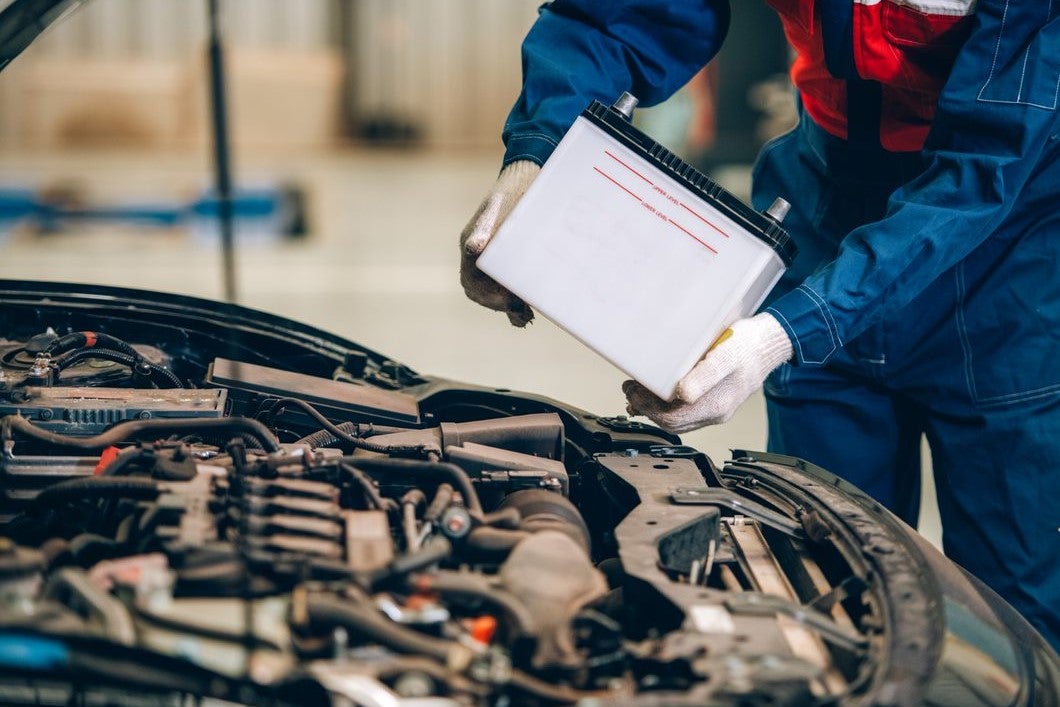
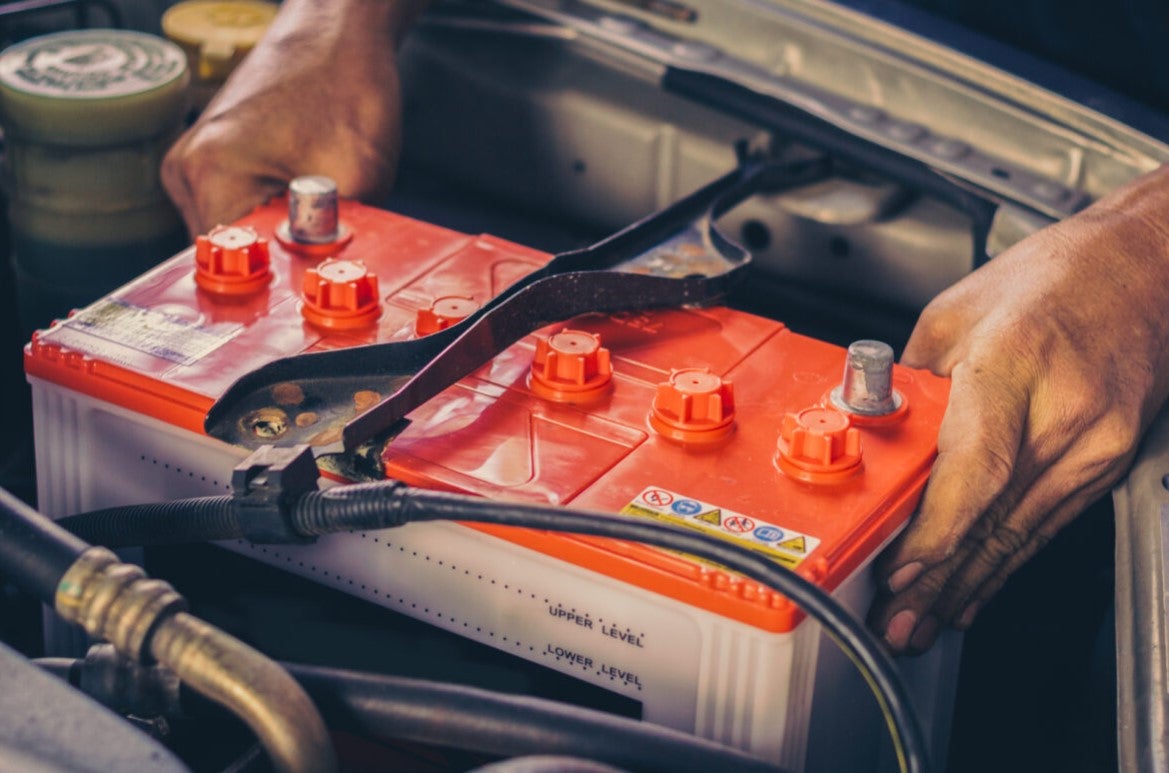
Car batteries last up to five years, but you may need to replace yours after about three. Your Chevy dealership can tell you when you need a battery replacement after performing battery health checks such as voltage tests and acid level checks, but your battery itself may let you know when it's on its way out, too. more 5 Signs Your Chevy Needs a Battery Replacement at the Chevy Dealership 1. You Can't Start Your Car If you can't start your car, then you know there's a problem, but it can be difficult to know exactly what the issue is. If the problem lies with your battery, then you might hear a clicking sound after you try to start the car, but the engine won't come to life. Jump starting your car will usually work to get the car started if your battery is the problem, but you should get a new battery ASAP. 2. You Struggle to Start Your Car A failing battery won't always stop your car from coming to life when you try to start it. It could take a few attempts to get the car switched on, or it might take a few seconds longer than usual for the engine to jump into action after you try starting the vehicle. Any kind of slow start up requires attention from the dealer. 3. You Have Electrical Issues If you try to readjust your power seat, but the seat won't move or moves incredibly slowly, then there may be a battery issue. If you plug in your phone and the battery has barely charged an hour later, then your battery could be failing. If the heated seats are barely lukewarm or stay cold, then your battery could be the culprit. Any problem with any accessory in your car should prompt you to head to the dealer, as the battery could be failing to power it. 4. You Have Lighting Issues As well as your accessories, your car's failing battery might struggle to power on the lights in your car. It might be the most noticeable with your headlights, as it's hard to miss it if they start flickering. You might also realize they're a lot dimmer than usual. Other lights can start dimming when your battery is failing, too, including the lights on your dashboard. 5. You See Issues With Your Battery Inspect your battery regularly and take note of any issues with it. If the case is swollen or cracked, then you need a new battery ASAP. If the case is fine, but there's corrosion on the terminals, then clean this off with some baking soda and water and keep an eye on the battery going forward. If the corrosion keeps coming back, then you may need a new battery. Come get your battery replaced by our technicians at Paynesville Chevrolet in Paynesville, MN. Our service hours are 8 AM to 5 PM, five days a week.

Car Service

Maintenance Available at Your Chevy Dealer

Regular Chevy maintenance will keep your Chevy working as perfectly as it did when it was brand new. As your Chevy dealer, we want to tell you about some of the maintenance we provide to keep your vehicle in great shape. more Chevy Maintenance Available at Your Chevy Dealer Thermostat Replacement The thermostat is a vital part of your Chevy's cooling system. Your engine operates most effectively at a temperature of 185 F to 220 F, but it requires continual cooling to prevent excessive heat from damaging vulnerable engine components. When your engine temperature exceeds a pre-set level, the thermostat registers this and opens to release coolant into the engine to reduce the temperature. A thermostat is a simple component but can fail when it gets old and could jam. A thermostat that jams closed won't release any coolant, and your engine temperature will climb. If the thermostat jams open, it continually releases coolant, lowering the engine temperature and decreasing engine efficiency. We'll examine your thermostat and replace it if necessary to fix this issue. Belt Replacement The serpentine belt connects to the crankshaft and moves at high speed as the crankshaft turns when driving. The belt runs across several pulleys, and its movement causes it to spin and power the systems connected to them. These systems include the alternator, power steering pump, and the AC compressor. The belt is made from tough, reinforced rubber, but it will wear out over time due to age, constant movement, and the heat inside the engine. If your belt is in trouble, you may hear screeching sounds from the engine compartment or experience issues with the AC, battery recharging, or steering. Our technicians can replace a work belt very quickly, and these issues will disappear. Tire Maintenance Tire pressure can change naturally when driving, as the air inside the tire heats up and increases pressure. Pressure can also change in cold weather, as the tire's internal pressure will drop to try and equalize with the external pressure. In addition, a leak can cause a rapid drop in tire pressure. If your tire pressure is too high or too low, the tires suffer increased wear, reducing their effective lifespan. Our technicians can easily test your tire pressure and correct it if necessary. We can also correct other issues like incorrect tire balance and poor wheel alignment. We'll also check your tire tread levels, as low tread makes gripping the surface more difficult and increases braking distance. If your tires are worn or damaged and can't be repaired, we can install new tires for you. To book a service or learn more about our vast range of services, contact us today at Paynesville Chevrolet in Paynesville, MN.

Brakes

5 Signs Your Chevy Needs a Brake Repair

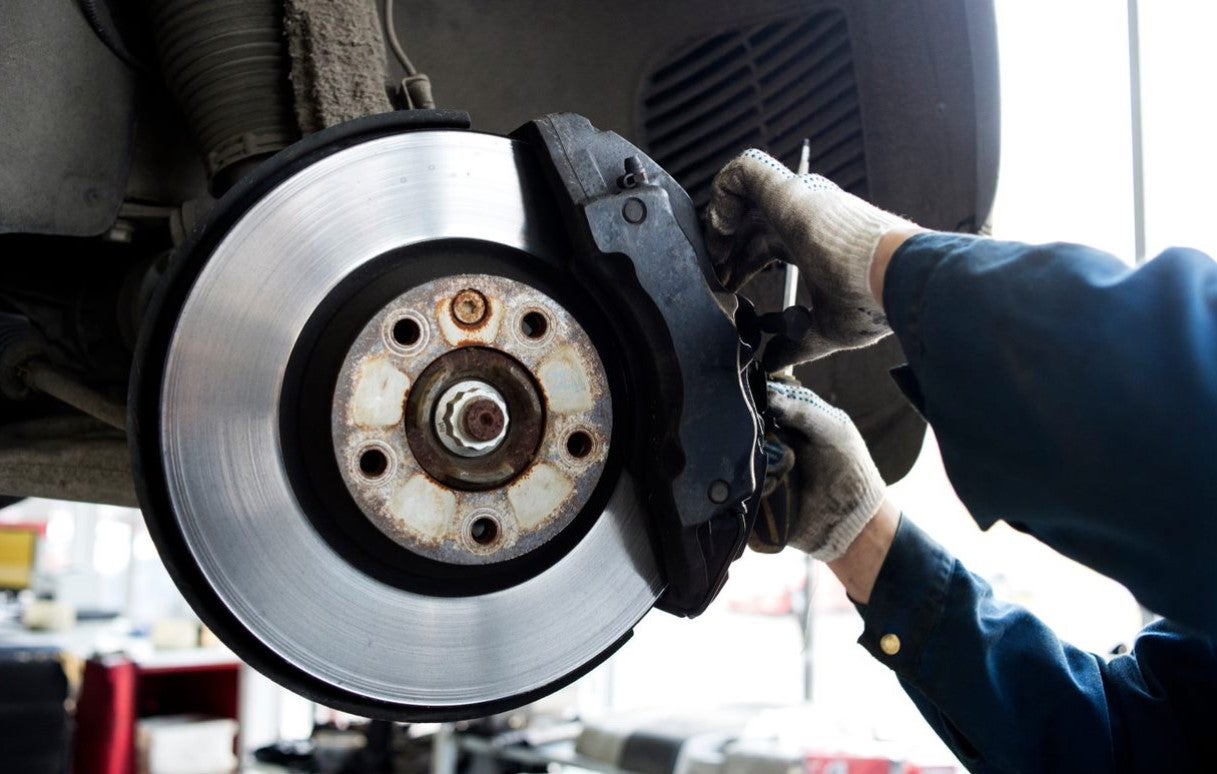
Regular brake servicing is key to keeping your brakes responsive and reliable. When you have your brakes checked, the technician will identify and repair faults, replacing worn-out parts if required. On top of this, it's important to watch out for indications of brake trouble while driving. If you experience the following issues, head to your nearest Chevy dealer for brake repair without delay. more 5 Signs Your Chevy Needs a Brake Repair Screeching Brake Pads Brake pads usually emit a screeching sound when they start to wear out. This noise is no cause for alarm. A screeching pad will continue to function well for a little while, but don't delay in replacing it. You can expect to replace your brake pads every 25,000 to 65,000 miles. This range in possible pad lifespans is that some drivers use their brakes far more than others. If you drive often in stop-and-go urban traffic, for example, your pads will wear out more rapidly than those of drivers in rural areas. Vibrating Rotor Discs Rotor discs often cause strange vibrations when they start to wear out. These sturdy cast iron discs eventually begin to warp as they age, which creates a slightly rougher surface for the brake pad to press against. The result is a rhythmic vibration that you might feel through the brake pedal or steering wheel. Grinding Brakes If you hear grinding sounds when applying the brakes, you might have a more serious problem on your hands. Grinding can be caused by a completely worn-out brake pad that's no longer safe to use. Grinding might also come from a problematic brake caliper. Lengthening Stopping Distances Any reduction in braking power is also a serious sign of trouble. Pull over at once if you notice your car is taking longer to stop than usual. One cause for weakened brakes might be overheating from prolonged use. Overheating can cause a temporary phenomenon known as brake fade, where melting brake pads lose their friction. Always ask a trusted technician to figure out the reason for weakened brakes. Softened Brake Pedal If the brake fluid inside the brake lines leaks, your brake pedal may become softer underfoot. This also threatens to reduce your stopping power, so it's essential to have a brake fluid leak repaired as soon as possible. Get Your Brakes Serviced at Your Local Chevy Dealer Most drivers should have their brakes inspected at least twice a year. Car owners who use their brakes excessively are advised to get their brakes checked even more frequently than this. Have your brakes inspected and repaired today at Paynesville Chevrolet Buick in Paynesville, MN. We're a local full-service dealership offering a broad range of excellent vehicles and prompt, courteous customer service, whatever your automotive needs might be.

Car Inspections

Ask Your Chevy Dealer: 6 Signs of a Faulty Ignition Coil

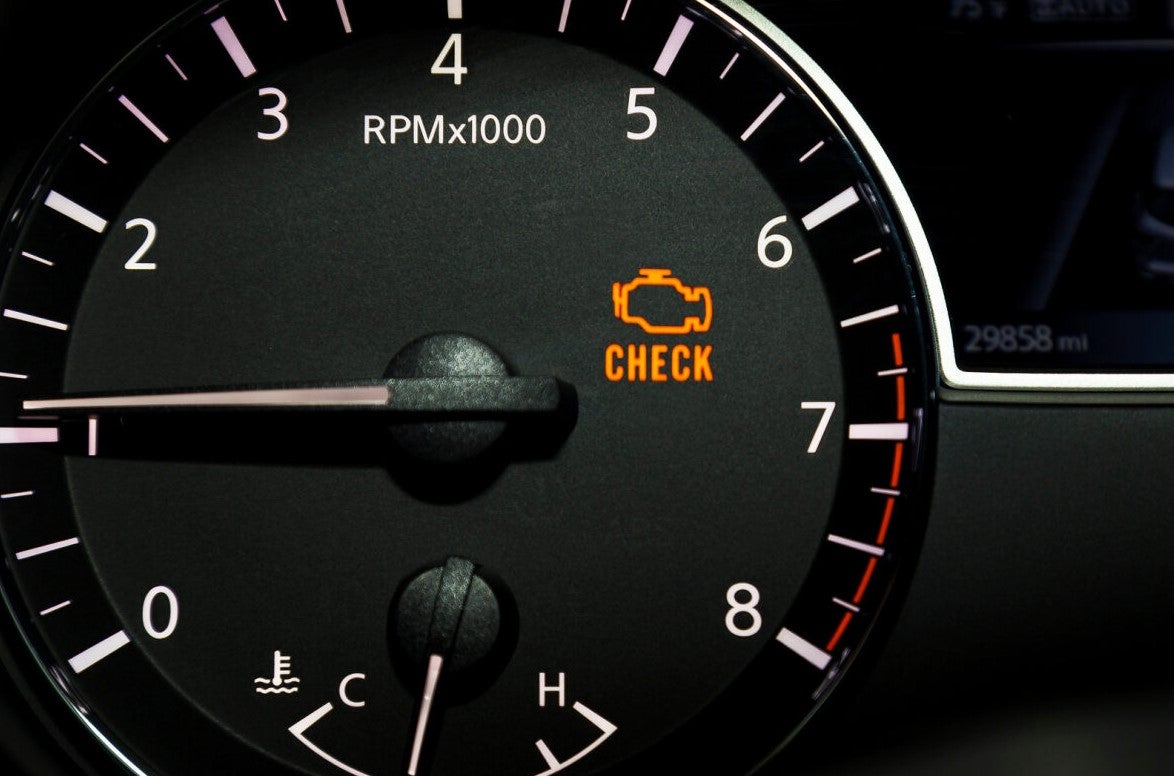
Sometimes you need to head to your Chevrolet Dealership for big issues, and other times, it's just small things that require repairs. One small repair you may need is replacing a faulty ignition coil. Below, we'll go over some of the signs that one of your ignition coils needs to be replaced ASAP. more Ask Your Ford Dealer: 6 Signs of a Faulty Ignition Coil 1. Reduced Fuel Efficiency If you ever notice that you need to visit the gas station more than you usually do, then you should bring your vehicle to the dealer to get it checked out. There are many small problems that can cause reduced fuel efficiency, and a bad ignition coil is one of them. 2. Check Engine Light When your check engine light comes on, you know it's time to get to the dealer straight away. Sometimes the light will come on before other signs of engine trouble start showing up. Despite your car not seeming like it's in disrepair, you should still visit the dealer to figure out what the issue is. You could have a simple issue with one of your ignition coils, or there could be something more serious going on under the hood. 3. Trouble Starting If there's something wrong with a single component under the hood, then you may have trouble starting your car. When one of your ignition coils has gone bad, that coil can't deliver a spark to your spark plugs. This leads to slow starts. If you only have one ignition coil in your car, then you may be unable to start your vehicle at all when that ignition coil is faulty. 4. Misfiring Your engine misfiring feels like a jerking or sputtering sensation when you're driving normally. When you stop the car, you might notice that it's running roughly, shaking, or vibrating even though it seems like your engine shouldn't be under strain. 5. Sluggishness Your car may have reduced performance when one of your ignition coils is having issues. This reduced power output may result in rough idling, stalling, or sluggish acceleration. You may also have reduced gas mileage when your car is behaving sluggishly, as we mentioned earlier. 6. Backfiring The reduced gas mileage you may experience when you have a bad ignition coil is caused by your engine trying to burn more fuel to compensate for its reduced power output. Sometimes this fuel can travel through your exhaust system without being burnt up. Then, the unburnt fuel detonates, creating a loud popping sound at the back of your car. Visit Paynesville Chevrolet in Paynesville, MN if you notice any of the signs above. We can change your ignition coil and provide other forms of maintenance to make sure your car stays in top shape.

Car Service

Does Your Chevy Need Transmission Maintenance?

​​​​​​​​​​​​​​​​​​​​​​​​​​​​​​​​​​​​Transmission problems have an undeserved reputation for being expensive and time-consuming. As your Chevy dealer, we have the expert technicians and technology to quickly and efficiently repair any transmission issue. We'd like you to know a few signs that you might need to visit us for a transmission repair very soon. more Signs You Need Transmission Maintenance at Your Chevy Dealer Delayed Shifting Your transmission is designed to shift gears automatically as your speed decreases or increases. It can also be overridden if you shift the gears yourself. In either case, the transmission should easily and smoothly shift into the new gear. Delayed shifting happens when there's an obvious pause between the gear moving and the new gear engaging. This issue can be difficult to spot when it starts, as there's a very slight delay. As time passes, the pause between shifting will become longer and more obvious. The most common reason for this problem is a low level of transmission fluid, the liquid in the transmission that provides the hydraulic power that shifts the gears. The delay can also be caused by a transmission computer fault or by an engine problem. We'll examine your transmission, find the reason for the delay, and repair it. Check Engine Light Everyone knows that the check engine light illuminates in response to an engine problem. What isn't as widely known is that a fault in the transmission will also cause this light to light up. The reason for this is that the engine and transmission work symbiotically. The engine produces large amounts of energy, and the transmission uses its gears to direct this energy to the wheels so they move at the required speed. The engine and transmission are linked, as the torque converter housing is bolted to the engine's flywheel. If something goes wrong in the transmission the engine has to work harder to try and overcome the problem. This puts additional strain on the engine, and the engine light will illuminate to indicate a fault. We'll connect your computer to our diagnostic computer, which will identify the transmission issue, and we'll repair it. Clunking Noises If you hear clunking noises from the transmission, these strange sounds can mean one of the transmission mounts is damaged. The transmission is fixed to your car's frame by two liquid-filled rubber transmission mounts. These mounts act as shock absorbers for the transmission, protecting it against vibrations as you drive. If a mount is damaged, the liquid can leak out, and this can cause a clunking noise as the transmission moves slightly. Our technicians will examine the mounts, and replace one or both of them depending on the situation. A transmission problem will get worse if it's not repaired. Contact us today at Paynesville Chevrolet in Paynesville, MN.

check engine light 3

7 Car Maintenance Tips to Keep Your Chevy in Great Shape

Your Chevrolet is a valuable asset that requires regular care to stay in top-notch condition. Here are a few car maintenance tips from your Chevy dealer about how to keep your Chevy in great shape for years to come. more 7 Car Maintenance Tips from Your Chevy Dealer Regular Oil Changes The engine oil keeps moving parts lubricated, reduces friction between engine parts, and keeps your engine running smoothly. Failing to change the oil on time can lead to engine damage and decreased performance. Refer to your Chevy's owner's manual for the recommended oil change interval and make sure to follow it diligently. Check and Maintain Fluid Levels In addition to engine oil, it's crucial to regularly check and maintain other critical fluids like brake fluid, transmission fluid, power steering fluid, and coolant. Keeping all fluids at proper levels is essential for your Chevy's overall performance and safety. Tire Care and Rotation Proper tire maintenance is vital for both safety and fuel efficiency. Regularly check your tire pressure to ensure they are inflated to the recommended levels. Additionally, rotating your tires at the specified intervals ensures even wear and extends their lifespan. A well-maintained set of tires can improve your vehicle's handling and save you money on fuel. Brake Inspection Regularly inspect the brake pads and rotors, as well as the brake fluid, and if you notice reduced braking performance or any signs of wear, have them checked and replaced promptly. Neglecting brake maintenance can lead to costly repairs and compromise your safety on the road. Air Filter Replacement A clean air filter is essential for your engine's performance and fuel efficiency. The air filter can become clogged with dirt and debris over time, hindering airflow. Check and replace your air filter as recommended in your owner's manual. A clean air filter improves engine performance and helps reduce emissions. Regularly Wash and Wax Maintaining the exterior of your Chevy helps protect the paint and finish from harsh weather conditions and road debris. Regularly wash and wax your vehicle to prevent rust and maintain its resale value. Pay special attention to cleaning the undercarriage to remove salt and grime that can cause corrosion. Follow the Maintenance Schedule Your Chevy comes with a manufacturer-recommended maintenance schedule outlined in the owner's manual. Adhering to this schedule ensures that all critical components are inspected and serviced at the right intervals. Whether it's timing belt replacement, spark plug change, or other essential services, following the manufacturer's recommendations can prevent costly breakdowns and maintain your vehicle's warranty. To schedule a maintenance appointment or for any Chevrolet-related questions, contact Paynesville Chevrolet Buick, your trusted Chevrolet dealership and service center. Our team of experts here in Paynesville, MN, is ready to assist you in keeping your Chevy in excellent condition.

2024 Chevrolet Silverado 1500

4 Reasons to Get OEM Parts for Your Chevy Repairs

Ensuring the longevity and performance of your vehicle is a major goal, and the choosing of parts for repairs is a crucial factor in reaching that goal. Original Equipment Manufacturer (OEM) parts are specifically designed for Chevys and available at your Chevy dealer, and opting for OEM parts is a decision that can significantly benefit your Chevy as you work to maintain it over the years. more 4 Reasons to Get OEM Parts at Your Chevy Dealer Quality Assurance and Compatibility The primary benefit of parts from the original manufacturer lies in their tailor-made design for Chevrolet vehicles. These parts are the exact ones used in the manufacturing of your vehicle, ensuring perfect compatibility. This compatibility is crucial, as it eliminates concerns associated with aftermarket parts, such as poor fit or reduced performance. Additionally, original parts are constructed with high-grade materials and undergo stringent testing, so you can be sure they will meet Chevrolet's high standards for quality and durability. Enhanced Vehicle Integrity and Resale Value Using parts from the original manufacturer for repairs is instrumental in maintaining the originality of your Chevrolet. These parts are engineered to function seamlessly with your vehicle's existing systems, thereby preserving its integrity. This is not just about maintaining performance, but also about safeguarding the vehicle's value. Chevrolets repaired with original parts typically have a higher resale value. Warranty and Long-Term Cost Savings Many parts from the original manufacturer come with their own warranties, providing an added layer of protection and peace of mind. This is particularly beneficial as it often complements your vehicle's warranty, ensuring any issues with the parts are addressed without jeopardizing your existing warranty coverage. While original parts might seem more expensive initially, they are a more cost-effective solution in the long run. Their superior quality and compatibility reduce the need for frequent replacements and mitigate the risk of damage caused by unfit or substandard parts. Simplified Selection Process Choosing parts from the original manufacturer for your Chevy repair simplifies the decision-making process. With these parts, you don't have to worry about evaluating different brands or quality tiers; each original part is precisely designed for your specific Chevrolet model. This ease of selection saves time and minimizes the risk of purchasing incorrect or inferior components. For Chevrolet owners, investing in parts from the original manufacturer is a wise decision for the care and maintenance of your vehicle. To ensure your Chevrolet receives the best possible care with genuine parts, visit Paynesville Chevrolet Buick for your next repair or maintenance service. We are committed to quality and customer satisfaction, and we look forward to helping you with all your Chevrolet repair needs.

oil change

How Often Should Your Chevy Get an Oil Change?

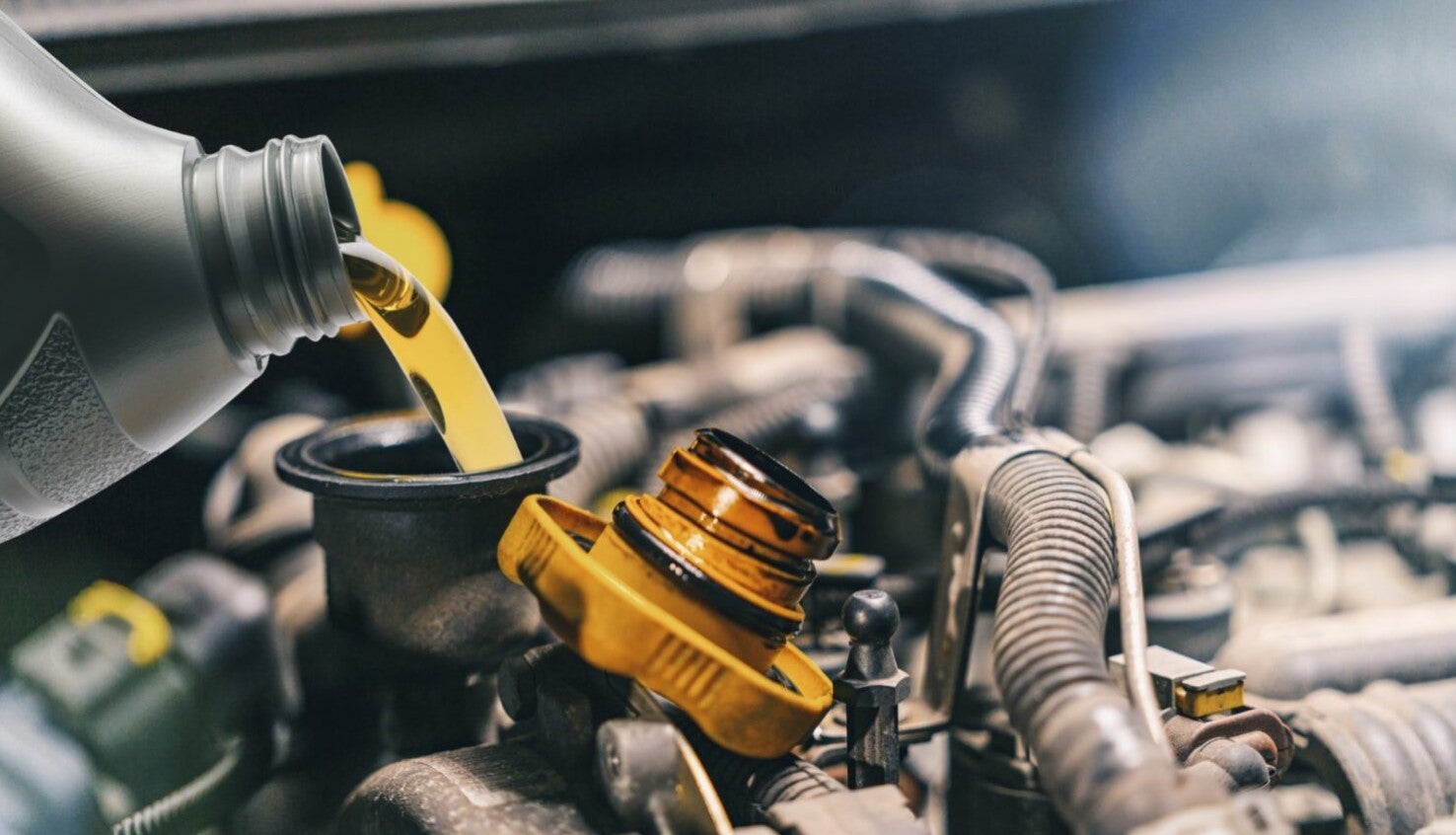
Regular oil changes at your local Chevy dealer are crucial for protecting your engine. Following the recommended guidelines will help your vehicle run its best for a long, long time. more Oil Change Intervals For most Chevy vehicles, you should change the oil between 5,000 and 7,500 miles. Even if you don't drive very much, you should still change your oil after a year. For the most accurate information for your specific model, you should check your owner's manual. Reasons to Change Your Oil Sooner Driving Conditions Frequent short trips, stop-and-go traffic, extensive idling, and driving in extreme temperatures or dusty, dirty, salty environments can put more strain on your car. Type of Oil Synthetic oils generally last longer and perform better under extreme conditions than conventional oil. If you are using conventional oil, you'll need to change it more frequently. Vehicle Age and Model Newer models designed to use synthetic oil typically have longer intervals between changes than older cars. Even if they needed little oil when they were new, however, as cars age, they begin to need oil more frequently. Why Is Fresh Oil Important? Oil creates a thin layer between the moving parts of your engine, lubricating the components so they do not grind together and wear down. It helps keep your engine clean by trapping dirt and debris, as well as helping to cool your engine. Changing your oil regularly helps maintain engine performance, maximize fuel efficiency, and reduce emissions. Signs You Need Fresh Oil From Your Chevy Dealer Oil Light Many modern Chevrolets have a dashboard indicator light to warn you when it's time to change your oil. If this light comes on, you should schedule an appointment. Dirty Oil Clean oil should be a translucent amber. Oil that's been in your engine for months through thousands of miles of driving becomes dark and dirty. Check your oil with the dipstick. If it's gotten dark or thickened up, you need fresh oil. Low Oil Levels If you check the oil and see that it's too low, there's a good chance it's time for a change. If it hasn't been long since you last added oil, however, low oil could mean that you have a leak. Smoke From the Exhaust Smoke coming from your exhaust as opposed to vapor means that something is burning in your car. There's a good chance the culprit is oil leaking outside your engine. Oil Smell If you can smell oil inside your car, you might need fresh oil, or you could have a leak. Regularly changing the oil in your car is a simple maintenance task with a big impact on your car's health. Call Paynesville Chevrolet to schedule your next oil service today.

Car Battery Replacement

Getting a New Car Battery for Your Chevrolet

You and your Chevy go everywhere together. However, to ensure it always starts and runs smoothly, one component must be in good condition: the car battery. Batteries don't last forever, so understanding when it's time for a new car battery from the Chevy dealer and learning how to choose the right one can help keep your car in great shape. more Signs You Need a New Car Battery Slow Engine Crank When you turn the key or push the button, does the engine take longer to start than usual? A slow engine crank can often be the first sign that your battery is on its way out. Check Engine Light Sometimes, the check engine light can come on because of a weak battery. While this light can be triggered by multiple issues with your car, it's wise to check on your battery if it comes on. Corroded Connectors Have you noticed a white, ashy substance on the metal parts of your battery? That's corrosion. Corrosion can lead to voltage issues and trouble starting your engine. A Swelling Battery Case Extreme temperatures can cause your battery casing to swell. A swollen battery is not functioning at its best, and can actually cause a safety hazard if it begins to leak, so it should be replaced as quickly as possible. An Aging Battery Car batteries typically last between three and five years. If your battery is approaching its fifth birthday, it's probably smart to get a replacement before it can fail. Choose the Right Battery for Your Chevrolet Right Size and Type The first step in choosing a new battery is making sure it's the correct size and type for your Chevy. Check your owner's manual to ensure you get a battery that fits perfectly and is suitable for your specific model. Power Requirements Consider the power requirements of your vehicle. Batteries are rated by their cold cranking amps (CCA), which indicates the battery's ability to start a car in cold temperatures. A higher CCA rating is better for cold weather. Battery Age When buying a new battery, check its manufacturing date. You don't want a battery that's been sitting on the shelf for a long time. A fresh battery is always the better option. Keep Your Car Powered With a Battery From the Chevy Dealer If you're unsure which battery is right for your car, you can get some help from the professionals at the dealership. Our technicians are specially trained to be familiar with Chevy models, and we will have the perfect battery to get your vehicle up and running its best again. Regular battery checks can help you stay ahead of any potential issues and help you and your Chevy stay ready for all your adventures. Visit Painesville Chevrolet Buick today to get your battery checked.

Contact Us

Fill out this form below and we'll contact you shortly
*Required Fields